
What Is a Class 1 Appliance?
A Class 1 appliance is an item that relies on an earth connection as part of its protection against electric shock. These appliances typically have a metal casing or exposed conductive parts, and if the internal insulation fails, the earth connection is what carries any fault current safely away rather than through the person using it.
Because Class 1 electrical equipment depends on that earth path working correctly, checking it is a core part of the PAT testing process. This is why Class 1 appliances always require an earth continuity test in addition to insulation resistance and visual checks.

What Counts as a Class 1 Electrical Appliance?
Common examples of Class 1 electrical appliances include kettles, toasters, washing machines, microwaves and most metal-bodied power tools. If you can see a metal casing, or the appliance has a three-pin plug with an earth pin that’s actually connected internally, it’s very likely Class 1.


What Is a Class 2 Appliance?
A Class 2 appliance is double insulated, meaning it has two independent layers of insulation protecting the user from electric shock, rather than relying on an earth connection. If one layer of insulation were to fail, the second layer still provides protection, which is why these appliances don’t need to be earthed.
You’ll usually recognise a Class 2 appliance by its plastic casing and the double insulation symbol, a square within a square, printed somewhere on the appliance or its rating plate. Because there’s no earth path to check, Class 2 appliances are tested slightly differently to Class 1, without the need for an earth continuity test.
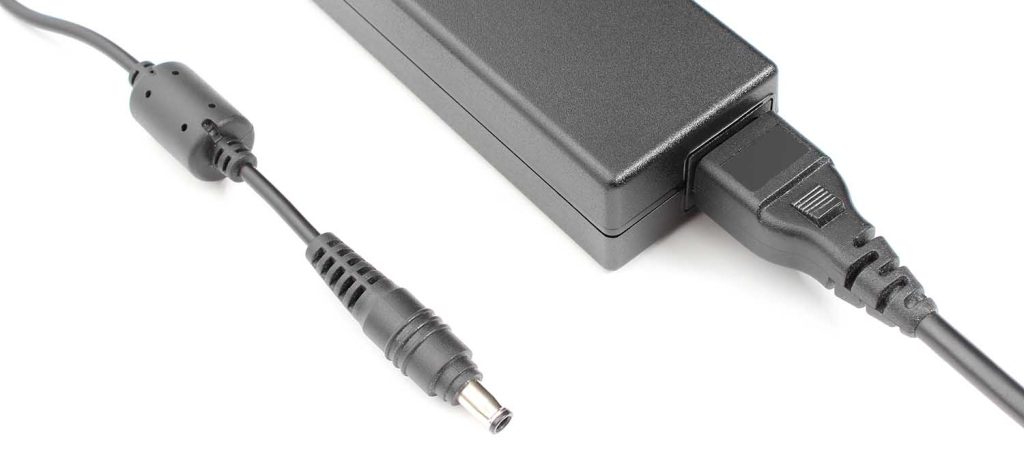
Common Class 2 Appliances
Class 2 appliances are everywhere in most workplaces: laptop chargers, phone chargers, many desk lamps, hairdryers, and a lot of modern power tools. If an appliance has a two-pin plug, or a three-pin plug where the earth pin isn’t actually connected to anything internally, it’s almost certainly Class 2.
Class 1 vs Class 2: What’s the Difference?
The core difference between Class 1 and Class 2 appliances comes down to how they protect the user from electric shock.
Class 1 Appliances
Rely on basic insulation plus an earth connection. If the insulation fails, the earth path carries fault current away safely. These require an earth continuity test as part of PAT testing.
Class 2 Appliances
Rely on double insulation alone, with no earth connection needed, since a second insulation layer provides backup protection if the first one fails. No earth continuity test is required.
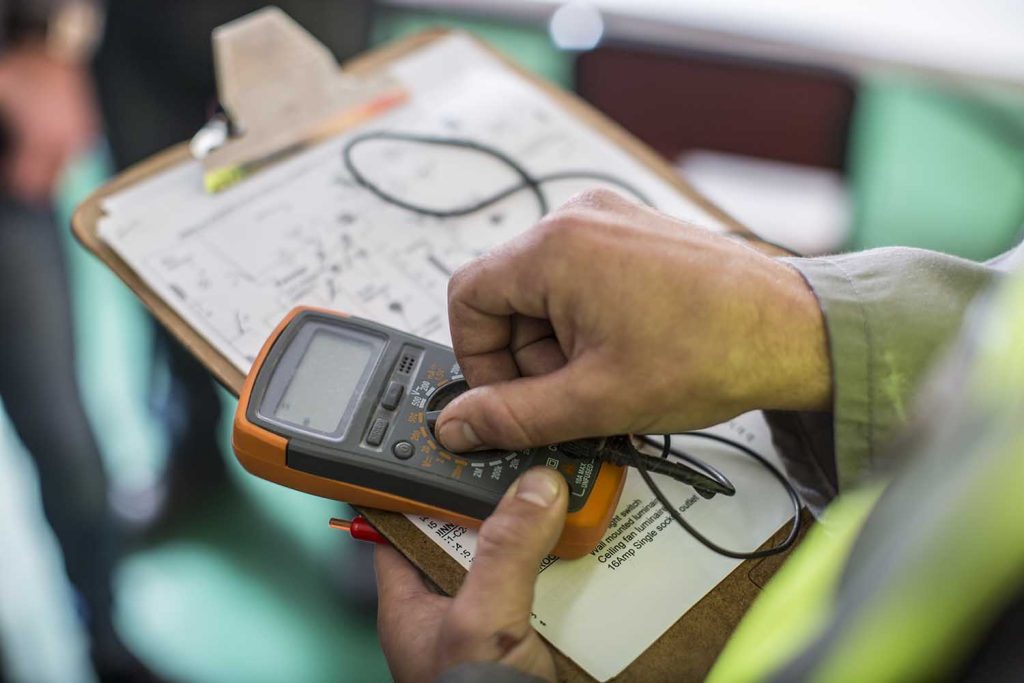
This difference between Class 1 and Class 2 PAT testing matters because it changes what actually needs to be checked during testing. Testing a Class 1 appliance as though it were Class 2 (or vice versa) could mean a real fault gets missed, which is why accurate classification matters just as much as the test itself.
Neither class is inherently better or safer than the other, they’re simply two different, equally valid ways of protecting someone from electric shock.
If you’d like a fuller breakdown of what PAT testing means, our guide covers this in more detail. And if you’re ready to arrange an inspection, visit our PAT testing page to see how we can help. It’s also worth noting that PAT testing is now officially referred to in the IET Code of Practice as in-service inspection and testing of electrical equipment, though most people still use the more familiar term. PAT testing sits alongside our wider electrical testing services, and we cover the whole of the UK, including Southampton, Portsmouth, Kent, Guildford, Crawley, Brighton, Basingstoke and London.