
What Is Thermal Imaging?
Thermal imaging is a way of detecting heat instead of light. A thermal imaging camera picks up infrared radiation given off by an object and turns it into a visual image, showing warmer areas in one colour range and cooler areas in another. In an electrical context, this makes it possible to see problems that are completely invisible to the naked eye, long before they cause a fault, a fire, or unplanned downtime.
At TES Compliance, we use thermal imaging as part of our wider electrical testing services, carried out by PCN-qualified thermographers across the UK and internationally.
What Is Infrared Thermography?
Infrared thermography is the more technical term for the same process. Every object above absolute zero gives off infrared radiation, and the hotter something gets, the more radiation it emits. A thermal imaging camera converts that radiation into a colour-coded image called a thermogram, allowing an engineer to see temperature differences that would otherwise go completely unnoticed.
In electrical systems, this matters because heat is one of the earliest warning signs of a developing fault. Loose connections, overloaded circuits and failing components all generate excess heat before they fail outright, and infrared thermography is what makes that heat visible.
What Is Electrical Thermographic Scanning?
Thermographic scanning is the practical application of infrared thermography, the process of systematically scanning electrical equipment, panels and systems with a thermal imaging camera to identify hot spots. Rather than a one-off snapshot, a proper thermographic scan is carried out under normal operating load, since electrical faults often only reveal themselves as heat once equipment is under real working conditions.
This is why thermal imaging surveys are typically scheduled during normal business operation rather than when equipment is switched off, the fault needs to be active to be visible.
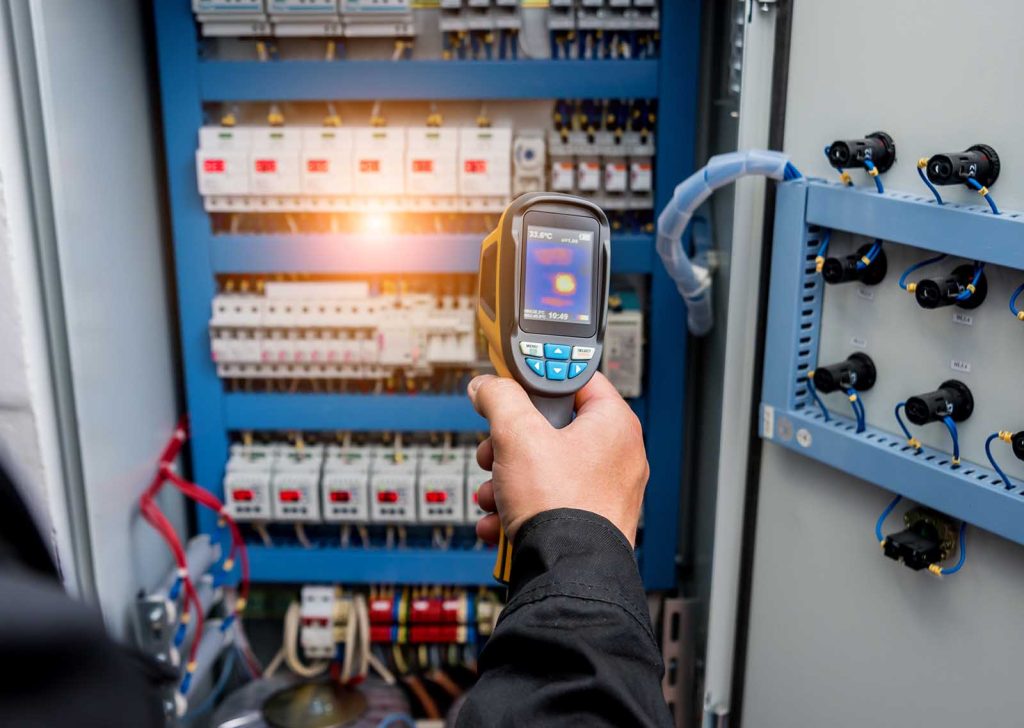
What Does a Thermal Imaging Report Include?
Every thermal imaging survey we carry out ends with a thermographic inspection report, a clear, structured document that sets out exactly what was found, where, and how serious it is. It’s designed to be useful whether you’re an in-house facilities manager or passing findings on to your own electrical contractor.
A typical report includes:
- Thermal images of each panel, distribution board or piece of equipment scanned, alongside a standard visual photo for comparison
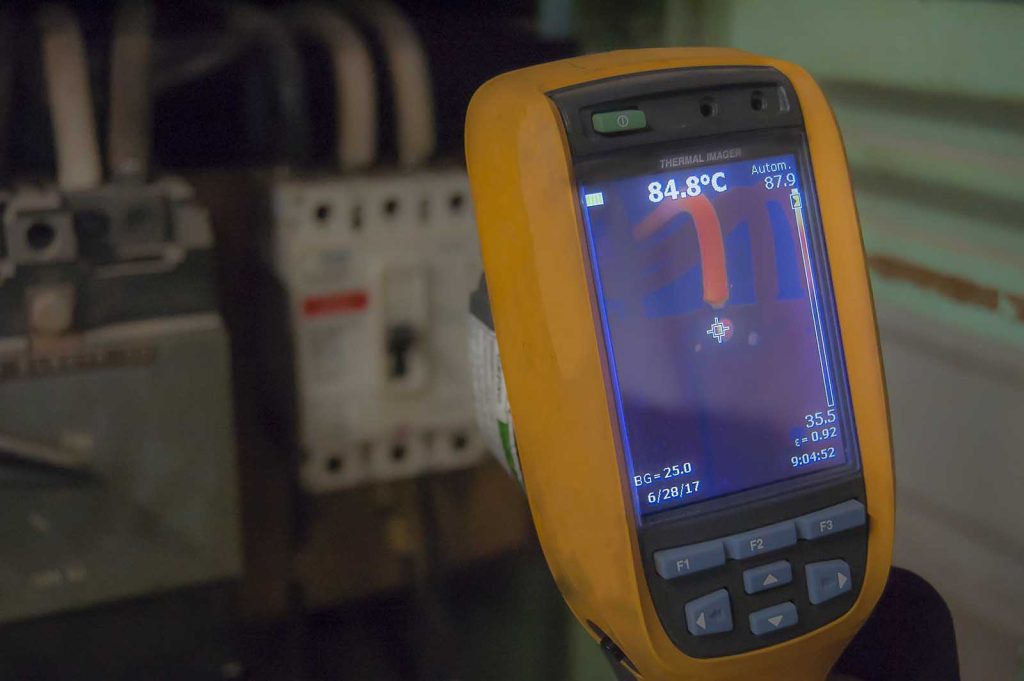
- Temperature readings for any identified hot spots, along with the temperature differential against surrounding components
- A severity rating for each finding, so you know what needs urgent attention and what can be scheduled into routine maintenance
- Clear recommendations for remedial action
- Reference to the relevant standards the survey was carried out against
If you’d like to understand more about why a thermographic survey is worth carrying out in the first place, we’ve covered the reasoning in more detail here.
What Does a Thermal Imaging Inspection Involve?
A thermal imaging inspection starts with the equipment under normal operating load, since faults typically only show up as heat once a system is working as it normally would. Our engineers use a thermal imaging camera to systematically scan panels, switchboards, distribution boards and connections, comparing temperatures across similar components to spot anything running hotter than it should.
Where the equipment is part of a larger commercial or industrial site, whether in the UK or on an international project, the same process applies. Engineers work through consumer units, distribution boards and switchgear methodically, checking each connection and component under load. Anything flagged as a concern is documented immediately, along with its exact location, so nothing gets missed once the full report is compiled.
What Does an Electrical Panel Thermography Report Show?
An electrical panel thermography report focuses specifically on distribution boards, switchboards and panel-level equipment, some of the most common sources of electrical faults, since they carry high loads through numerous connections. The report will highlight any connection or component running hotter than its surrounding equipment, flag the likely cause where possible (a loose connection, an overloaded circuit, a failing component), and set out how urgently it needs addressing.
This kind of detail is what makes a thermal imaging report genuinely actionable, rather than just a general pass or fail.
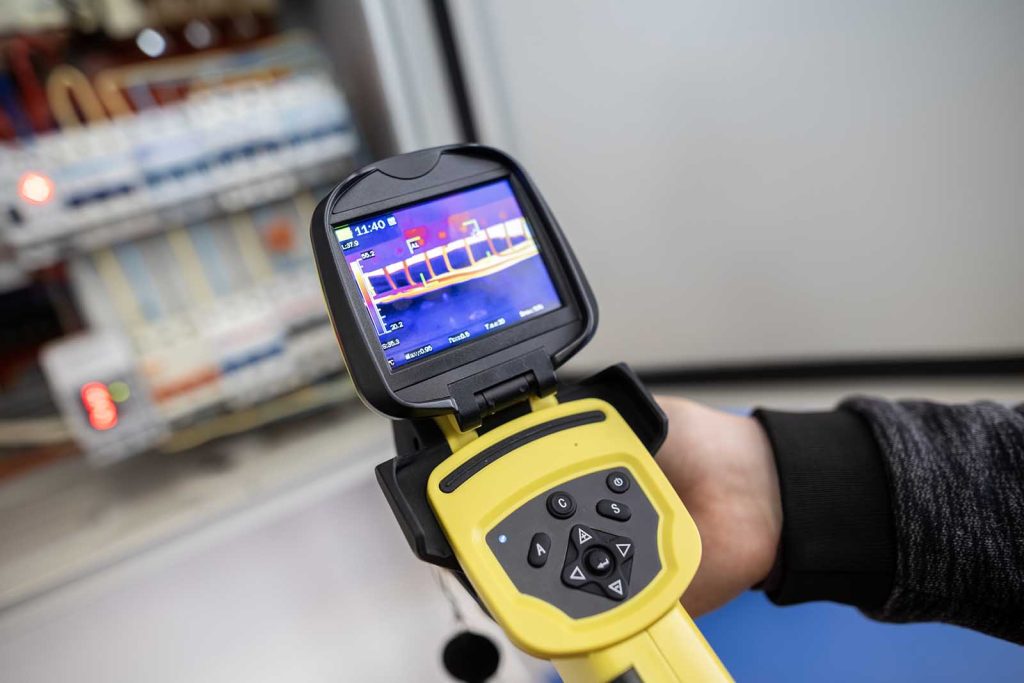
What Can Thermal Imaging Detect in Electrical Systems?
Thermal imaging is particularly effective because it detects problems while they’re still developing, not after they’ve already caused damage or downtime. A well-conducted survey can reveal a wide range of issues across an electrical installation, including:
- Loose or corroded connections, which generate resistance and heat as current passes through them
- Overloaded circuits or components running beyond their rated capacity
- Failing or degrading components, such as ageing switchgear or worn contacts
- Imbalanced loads across phases in three-phase systems
- Poor or failing insulation, where heat build-up indicates a breakdown risk
Because these issues are picked up before they cause a failure, thermal imaging plays a genuinely preventative role, catching the kind of faults that would otherwise only be found once something had already gone wrong. It works alongside routine checks like an electrical installation condition report, adding a layer of detection that a standard visual inspection can’t provide.
What Is Hot Spot Detection?
Hot spot detection is the core of what thermal imaging does. A hot spot is any point in an electrical system running noticeably hotter than the components around it, and it’s almost always a sign that something isn’t right. The camera doesn’t just show that a hot spot exists, it shows exactly where it is, how hot it’s running compared to its surroundings, and how quickly it needs attention.
Not every hot spot is an emergency. Our engineers assess each one against expected operating temperatures for that type of equipment, so findings are graded by genuine severity rather than flagged indiscriminately.
Thermal Imaging of Distribution Boards and Switchboards
Distribution boards and switchboards are among the highest-risk areas for developing electrical faults, simply because of how many connections and components they contain, each one a potential point of failure. Switchboard thermal imaging focuses specifically on these areas, checking every busbar, breaker and connection under load.
This is particularly important for commercial and industrial sites, where a single failed connection in a distribution board can take power outto an entire section of a building or, in more serious cases, cause an electrical fire. Regular thermal imaging of switchboards and distribution boards is one of the most effective ways of catching that kind of risk early, whether the site is in the UK or part of an international project.
How Often Should Thermal Imaging Surveys Be Done?
There’s no single legal frequency that applies to every site, thermal imaging survey frequency depends on the type of installation, how heavily it’s used, and the level of risk involved if something were to fail. A data centre running critical infrastructure around the clock has very different requirements to a small office with light electrical loads.
As a general guide:
- High-risk or critical environments (data centres, manufacturing, industrial sites) typically benefit from thermal imaging surveys annually, sometimes more often depending on load and criticality
- Commercial premises with standard electrical loads (offices, retail, hospitality) are usually well served by an annual or biennial survey
- Sites with older installations, higher electrical loads, or a history of faults may benefit from more frequent surveys regardless of sector
Thermographic Survey Frequency and Risk
The right frequency really comes down to consequence. Ask what would happen if a fault went undetected until it caused a failure, lost production, unplanned downtime, safety risk, or worse. The higher that consequence, the more often a thermal imaging survey is worth carrying out.
This is one of the reasons thermal imaging is often scheduled alongside other planned maintenance and compliance activity, such as an electrical installation condition report or routine installation and maintenance visits, rather than as a standalone, one-off check. If you’re not sure what frequency suits your site, our engineers can advise based on your installation and how it’s used, whether you’re based in the UK or managing an international facility.
What Standards Does Thermal Imaging Follow?
Thermal imaging surveys aren’t carried out to a single, universally mandated standard in the way some other electrical testing is, but that doesn’t mean it’s an unregulated free-for-all. Reputable thermal imaging providers work to recognised industry guidance and hold relevant accreditations that demonstrate genuine competence.
At TES Compliance, our thermographers hold PCN (Personnel Certification in Non-destructive Testing) qualification through BINDT, the British Institute of Non-Destructive Testing, the recognised accreditation route for thermographic inspection in the UK. We’re also NICEIC approved, giving you confidence that our wider electrical testing work meets industry standards, not just our thermal imaging surveys specifically.
Electrical Thermal Imaging Standards and Requirements
Good thermographic practice draws on guidance from BINDT, alongside the general good practice around electrical safety and installations set out in BS 7671, the UK standard for electrical installations. In practice, this means surveys are carried out under normal operating load, findings are assessed against expected temperature thresholds for the equipment type, and reports are produced by someone holding recognised thermography qualifications, not simply someone who owns a thermal camera.
Switchboard Thermal Imaging Requirements
Switchboards and distribution boards carry particular requirements given the risk they represent. A proper switchboard thermal imaging survey should be carried out with panels live and under normal load, since a de-energised board won’t reveal the heat patterns that indicate a developing fault. Access panels typically need to be removed or opened to get a clear thermal image of busbars and connections, which is why this work should always be carried out by a competent, qualified engineer rather than attempted as a general facilities task.
Which Sectors Benefit From Thermal Imaging Surveys?
Any site with a meaningful electrical load can benefit from thermal imaging, but some sectors carry particular risk profiles that make regular surveys especially valuable. Here’s how it applies across the sectors we work with most, in the UK and internationally.
Data Centre Thermal Imaging
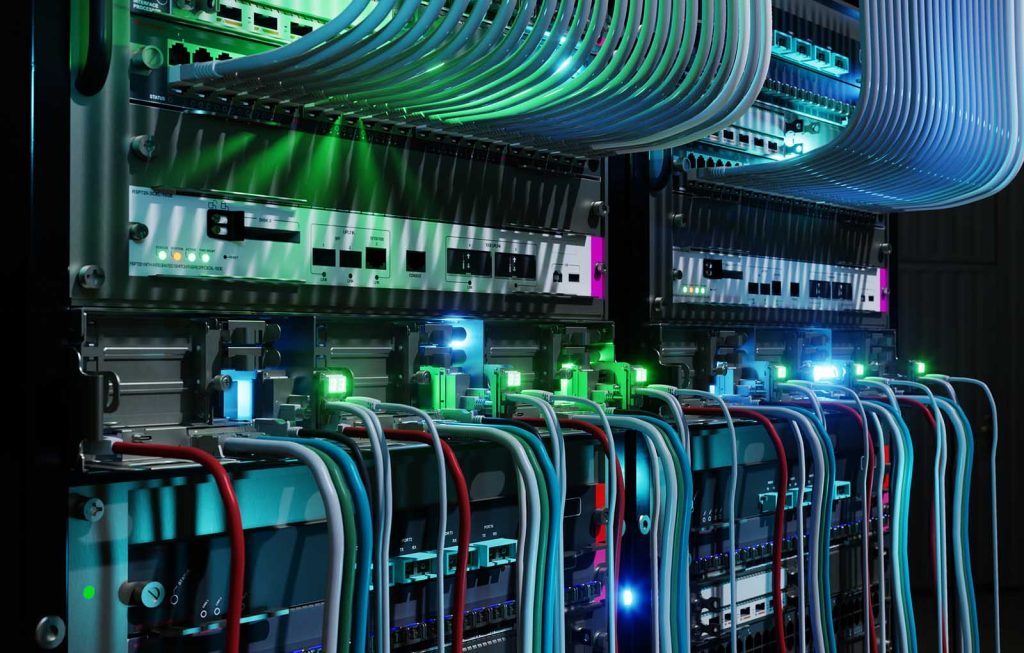
Data centres run critical infrastructure continuously, often at high load, with very little tolerance for unplanned downtime. A single overheating connection within a busbar or distribution board can escalate quickly when equipment is running around the clock. We’ve covered this in detail on our data centre thermal imaging page, including how our engineers inspect busbars under full load during live commissioning.
Office Buildings
Offices generally carry a lower electrical risk profile than industrial or hospitality sites, but consumer units, server rooms and comms cabinets still benefit from periodic thermal imaging, especially in older buildings or where electrical loads have increased over time as more equipment has been added.
Thermal Imaging for Hotels
Hotels combine heavy catering loads, extensive lighting circuits, and guest-facing electrical equipment, all running for long hours with high footfall. Thermal imaging surveys help identify developing faults before they affect guest safety or cause unplanned disruption to operations.
Retail Thermal Inspections
Retail premises often rely on continuous refrigeration, till systems and lighting, particularly in larger stores or shopping centres where an electrical fault can mean lost trade as well as safety risk. Regular thermal imaging surveys help retail sites stay operational and compliant.
Commercial Property Thermography
Commercial and mixed-use buildings typically have multiple tenants drawing power through shared distribution boards and switchgear, which increases the number of connections and potential fault points. Thermal imaging gives landlords and facilities managers a clear picture of where risk sits across a building.
Warehouses
Warehouses often combine heavy machinery, racking systems and high-current equipment with large, open electrical installations that can be harder to inspect visually. Thermal imaging surveys are particularly effective here, since faults in this kind of equipment tend to show up as heat well before any visible sign of failure.
How Much Does a Thermal Imaging Survey Cost?
Thermal imaging survey cost varies considerably depending on the site, so we don’t work to a single flat rate. Instead, pricing reflects a few key factors specific to your installation.
The main things that affect cost include:
- The size of the site and the number of panels, distribution boards or switchboards to be surveyed
- How accessible the equipment is, and whether access panels need to be removed or additional preparation is required
- Whether the survey needs to take place during normal operating hours or outside them
- Travel and logistics, particularly for international sites or multi-site projects
- Any follow-up reporting or remedial recommendations required
Because of this, we don’t publish fixed figures for thermal imaging surveys. The most accurate way to understand cost for your site is to get in touch for a free quote, where we’ll ask a few questions about your installation and give you a clear, tailored price before any work begins.
Everything You Want to Know About Thermographic Surveys
How Accurate Is Thermography?
Yes, when carried out correctly by a qualified thermographer using calibrated equipment, thermal imaging is a highly accurate way of detecting temperature variations. A properly conducted survey can detect temperature differences of just a degree or two, more than enough to flag a developing fault long before it would be visible or detectable by any other means.
Accuracy depends on the camera used, the conditions the survey is carried out under, and the experience of the engineer interpreting the results. Correctly reading what a temperature difference actually means for that specific piece of equipment is just as important as the reading itself, which is why thermography should always be carried out by someone holding recognised thermography qualifications.
Who Can Carry Out Thermal Imaging Surveys?
Thermal imaging should only be carried out by a qualified, competent thermographer, ideally holding PCN qualification through BINDT. While thermal imaging cameras themselves are widely available to buy, correctly interpreting what the images show, and understanding what’s a genuine fault versus normal operating variation, takes proper training and experience. At TES Compliance, all our thermal imaging surveys are carried out by PCN-qualified engineers.
What Can Thermal Imaging Prevent?
By catching developing faults early, thermal imaging can help prevent electrical fires, unplanned power outages, equipment failure and costly downtime. Because it detects problems while they’re still building up as heat, rather than after they’ve already caused visible damage, it gives you time to plan and carry out repairs before something fails unexpectedly.
Does My Insurance Require Thermal Imaging Surveys?
This depends on your insurer and the type of business you run. Some commercial insurance policies, particularly for higher-risk sites like data centres, warehouses and manufacturing facilities, do require regular thermal imaging surveys as a condition of cover. It’s worth checking your policy directly or asking your insurer, but if you’re unsure, we’re happy to advise based on what we typically see across similar sites.
How Do I Choose an Electrical Testing Company?
Look for accreditation (NICEIC, PCN through BINDT for thermography specifically), genuine experience across sites similar to yours, and a provider who can explain findings clearly rather than just handing over a report. At TES Compliance, we’re NICEIC approved and our thermographers hold PCN qualification, and we work across the UK and internationally, so we’re used to the varying requirements different sites and sectors bring.