
What Is an AFDD?
An AFDD, or arc fault detection device, is a protective device fitted in the consumer unit or distribution board that helps prevent electrical fires. It constantly monitors the electricity flowing through a circuit and switches off the supply if it detects a dangerous electrical arc.
Most people are familiar with circuit breakers and RCDs, which protect against overloads, short circuits and electric shock. An AFDD adds another layer of protection by looking for something those devices can’t detect: arc faults, one of the hidden causes of electrical fires in homes and workplaces.
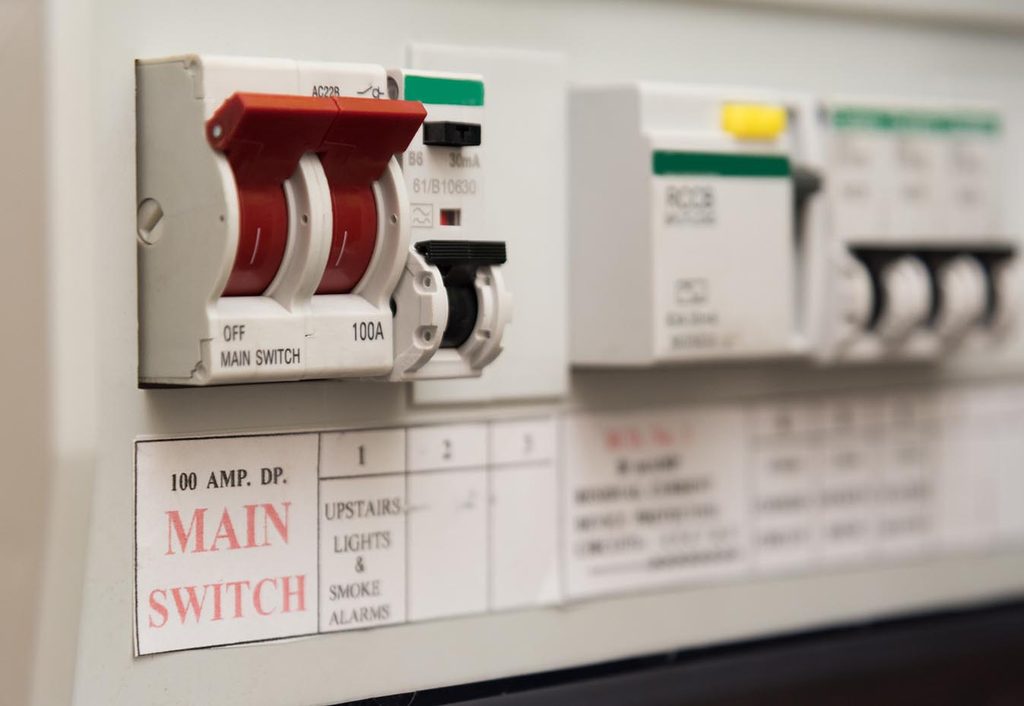
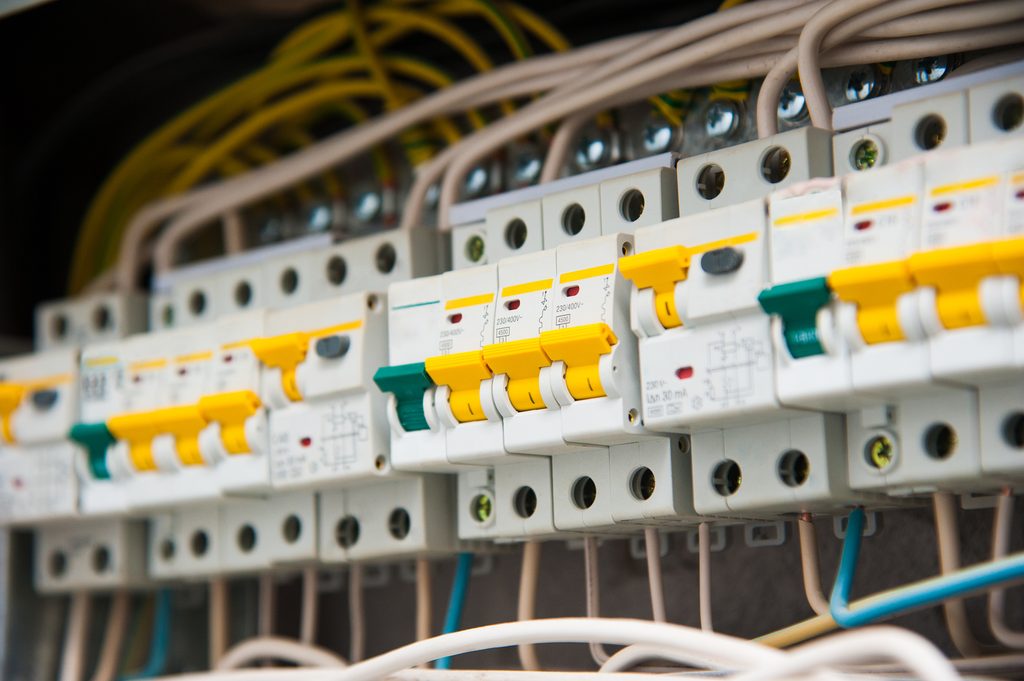
AFDD devices look similar to a standard circuit breaker and sit alongside the other protective devices in your distribution board. They’re often fitted together with surge protection as part of a modern, fully protected consumer unit.
What Is an Arc Fault?
In electrical terms, an arc fault happens when electricity jumps across a gap where it shouldn’t, creating a spark. These arcs can reach very high temperatures and can easily ignite the insulation, dust or materials around them.
Arc faults are usually caused by damage or wear that isn’t visible from the outside, such as:
- Loose connections in sockets, switches or junction boxes
- Cables damaged by nails or screws driven through walls
- Crushed or kinked flexes, for example under furniture or rugs
- Ageing or brittle insulation in older wiring
- Damage from rodents chewing through cables
The problem is that a small arc may not draw enough current to trip a fuse or circuit breaker, and it doesn’t leak current to earth in a way an RCD would detect. That means the fault can keep sparking unnoticed until a fire starts. An arc fault detection device is designed to close that gap.
How Does AFDD Protection Work?
AFDD protection works by analysing the pattern of the electrical current on a circuit. Normal appliances create a predictable current pattern, while an arc fault creates a distinctive, irregular signature.
The AFDD uses built-in electronics to recognise that signature. When it detects a dangerous arc, it disconnects the circuit before the arc can cause a fire. It’s designed to tell the difference between harmful arcs and the harmless ones created in normal use, such as when you switch on a light or plug in an appliance.
Like an RCD, most AFDDs have a test button so you can check the device is working. Your electrician will also check AFDDs as part of a full inspection and test of your installation.
AFDD vs RCBO: What’s the Difference?
An RCBO combines two types of protection in one device: an RCD, which protects people from electric shock, and a circuit breaker, which protects against overloads and short circuits. You can read more about how RCDs are tested in our guide to continuity and electrical testing.
An AFDD protects against a different risk altogether. It doesn’t stop electric shocks. Instead, it focuses on preventing fires caused by arc faults.
Because the two devices do different jobs, they work best together. Many manufacturers now make combined AFDD and RCBO devices, which give arc fault, earth leakage and overcurrent protection in a single unit. This saves space in the consumer unit and gives each circuit complete protection.
What Circuits Need AFDD Protection?
AFDDs are covered by BS 7671, the IET Wiring Regulations. Since Amendment 2 in 2022, AFDDs are required on single-phase final circuits supplying socket outlets rated up to 32A
Higher-risk residential buildings
Houses in multiple occupation (HMOs)
Purpose-built student accommodation
Care homes
For all other premises, including homes, offices and commercial buildings, AFDDs are recommended. This means an electrician should discuss them with you whenever new circuits are installed or a consumer unit is replaced.
If you’re a landlord with an HMO, AFDDs are an important part of keeping your property compliant. Our guide to the landlord electrical safety certificate explains your wider electrical safety duties.
Should You Fit AFDDs in Your Building?
Even where AFDDs aren’t required, there are good reasons to consider them. They’re especially worth fitting in buildings with:
Older wiring, where insulation may be brittle or connections may have loosened over time. If your wiring is very old, it may also be time to consider rewiring.
Sleeping accommodation, such as hotels, care settings and rented homes, where a fire at night is particularly dangerous
Timber-framed construction or buildings containing irreplaceable items, where a fire would cause severe damage
High-value equipment or stock, where a fire would cause major disruption to the business
Electrical fires can start without warning and spread quickly. Our story of a family who lost everything in an electrical fire shows what’s at stake. AFDDs work alongside other fire safety measures, and our guide to the types of fire extinguisher explains which extinguisher to use if an electrical fire does happen.
How TES Compliance Can Help
TES Compliance is a NICEIC approved contractor. Our engineers can assess your installation, advise whether AFDDs are required or recommended for your building, and fit them as part of a consumer unit upgrade or wider electrical installation work.
If you’re not sure what protection your installation currently has, an Electrical Installation Condition Report will check your consumer unit, wiring and protective devices, and recommend any improvements. You can book an inspection online.
Frequently Asked Questions
Everything you need to know about our electrical testing and compliance services, including costs, frequency, legal obligations and what to expect from your inspection.
What is an AFDD?
An AFDD, or arc fault detection device, is a protective device fitted in the consumer unit that detects dangerous electrical arcs and switches off the circuit to help prevent electrical fires.
What does an AFDD protect against?
An AFDD protects against fires caused by arc faults, such as those from loose connections, damaged cables or worn insulation. It does not protect against electric shock, which is the job of an RCD.
Is an AFDD the same as an RCBO?
No. An RCBO protects against electric shock and overcurrent, while an AFDD protects against arc faults. Combined AFDD and RCBO devices are available, giving all of this protection in one unit.
Are AFDDs a legal requirement?
Under BS 7671, AFDDs are required on socket outlet circuits up to 32A in higher-risk residential buildings, HMOs, purpose-built student accommodation and care homes. For other premises, they are recommended.
Can an AFDD be added to an existing consumer unit?
In many cases, yes, as long as the consumer unit is compatible and has space. An electrician can check your board and advise whether an AFDD can be added or whether an upgrade is the better option.