
Landlord Electrical Safety Certificate: How Often Do You Need One?
If you rent out a property in England, keeping the electrics safe is one of your most important legal duties. One of the most common questions landlords ask is how often a landlord electrical safety certificate is needed, and what it actually involves.
In this guide, we’ll explain what the certificate is, how often a rented property needs one, what you must do with the report, and what happens if work is needed. If you’re ready to book, our landlord electrical safety report service covers everything in one visit.
What Is a Landlord Electrical Safety Certificate?
A landlord electrical safety certificate is the everyday name for an Electrical Installation Condition Report, or EICR. It isn’t a separate document. When landlords, letting agents and tenants talk about a landlord electrical certificate, an EICR is what they mean.
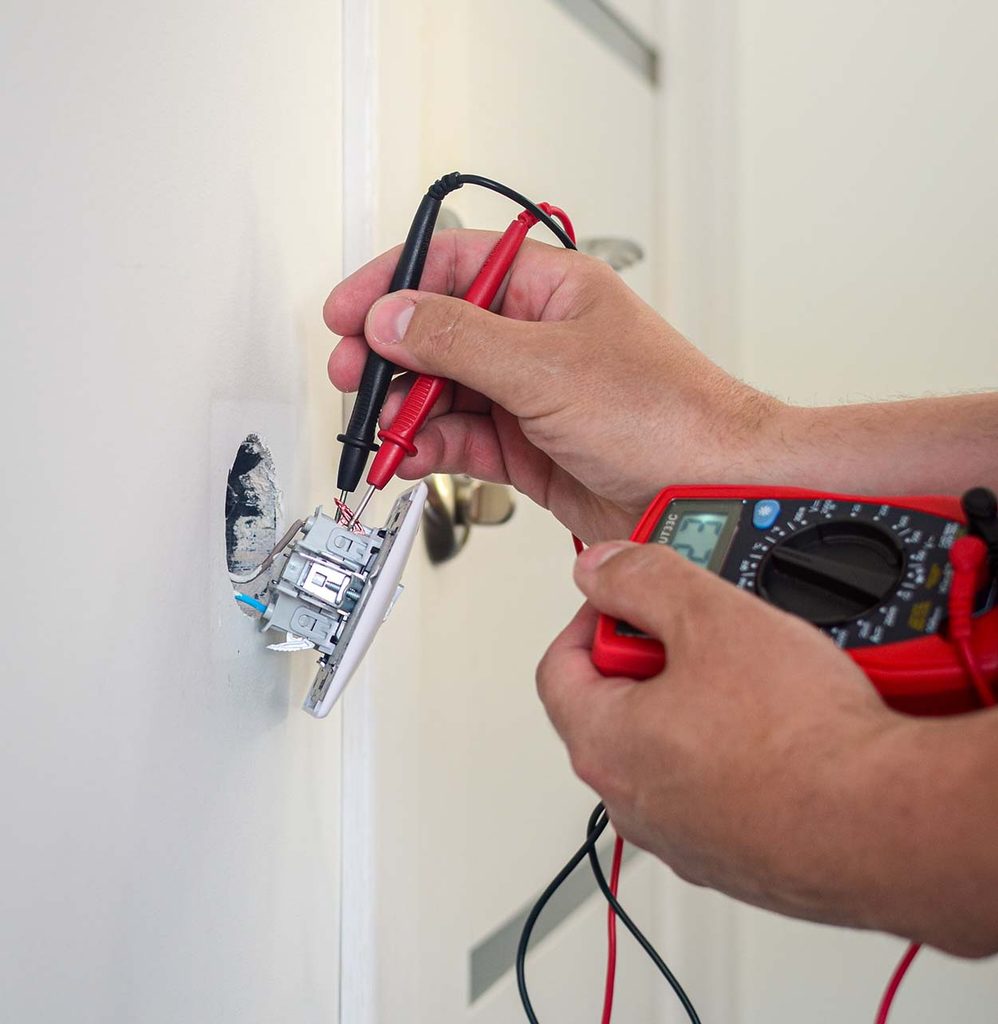
An EICR is a detailed inspection and test of a property’s fixed electrical installation. That includes the wiring, sockets, light fittings, consumer unit and any permanently connected equipment. The engineer checks that everything is safe and in good condition, records any issues, and sets a date for the next inspection.
If you’d like to know more about what an EICR involves, our guide on what an EICR is explains it in more detail.
How Often Does a Rented Property Need an Electrical Certificate?
Under the Electrical Safety Standards in the Private Rented Sector (England) Regulations 2020, the electrics in a rented property must be inspected and tested at least every 5 years. That’s the answer to how often a landlord electrical safety certificate is needed, but there are two important details.
The report can set a shorter interval. If the engineer finds that the installation needs checking sooner, for example because of its age or condition, the report will recommend an earlier date. Landlords must follow whichever date comes first.
The rules apply to every tenancy. Whether it’s a new let or a long-standing tenant, the 5-year rule applies across the board. Since 2025, the same rules also cover the social rented sector.
It’s also good practice to have the electrics checked between tenancies, so you know the property is safe before a new tenant moves in.
What Electrical Certificate Does a Landlord Need?
The certificate every landlord needs is an EICR for the fixed electrical installation. This applies to most residential lettings in England, including houses in multiple occupation (HMOs).
A few types of accommodation are not covered by the regulations, including:
- Properties where the tenant shares with the landlord or their family
- Long leases of 7 years or more, including shared ownership
- Student halls of residence
- Hostels, refuges and care homes
The inspection must be carried out by a qualified and competent electrician, ideally one registered with a recognised scheme such as NICEIC. You may also receive other certificates when new work is done, such as an Electrical Installation Certificate (EIC) for a rewire or new circuit. These confirm the new work is safe, but they don’t replace the EICR, which is the certificate landlords need to stay compliant.
What about electrical equipment?
Social landlords must also have the electrical equipment they provide, such as cookers, fridges and microwaves, checked at least every 5 years. For private landlords, equipment testing isn’t a legal requirement, but many choose it as good practice. This is known as Electrical Equipment Testing, or EET. You can read about why the name changed from PAT testing to EET in our guide.
Wales and Scotland have their own rules for rented properties, so landlords there should check the requirements that apply to them.
Sharing the Report With Tenants and the Council
Once the inspection is done, landlords must share the report within set deadlines:
Existing tenants: within 28 days of the inspection
New tenants: before they move in
Prospective tenants: within 28 days of a request
The local council: within 7 days of a request
You should also keep a copy of the report until the next inspection is due, and give a copy to the engineer who carries out the next one.
What Happens If the Report Is Unsatisfactory?
The report uses codes to show the condition of the installation. A C1 means danger is present, and a C2 means the issue is potentially dangerous. Both mean remedial work is needed. An FI code means further investigation is required. A C3 is a recommendation for improvement, and it doesn’t make the report unsatisfactory.
If work is needed, landlords must:
- Complete the remedial or investigative work within 28 days, or sooner if the report says so
- Give the tenant and the local council written confirmation that the work is done, within 28 days of completing it
Taking these duties seriously matters. Councils can issue fines of up to £40,000 for breaches. More importantly, safe electrics protect your tenants and your property. Our article on how one family lost everything in an electrical fire is a reminder of why these checks matter.
How TES Compliance Can Help
TES Compliance helps landlords and letting agents stay compliant with clear, reliable electrical safety checks. As a NICEIC approved contractor, our qualified engineers carry out full EICRs, explain the results in plain English, and can complete any remedial work needed to make your report satisfactory.
We work with landlords across the UK, including London, Brighton and Southampton. Whether you have one property or a full portfolio, you can book an inspection online.
Frequently Asked Questions
Everything you need to know about our electrical testing and compliance services, including costs, frequency, legal obligations and what to expect from your inspection.
Is a landlord electrical safety certificate the same as an EICR?
Yes. A landlord electrical safety certificate is the common name for an Electrical Installation Condition Report (EICR), which checks the fixed electrical installation in a rented property.
How long is a landlord electrical certificate valid for?
A landlord electrical certificate is valid for up to 5 years, unless the report recommends an earlier date for the next inspection.
Do landlords need PAT testing?
Private landlords aren’t legally required to test the appliances they provide, but it’s recommended as good practice. Social landlords must have equipment they provide checked at least every 5 years. This testing is now known as Electrical Equipment Testing (EET).
Does the 5-year rule apply to HMOs?
Yes. Houses in multiple occupation are covered by the regulations, so the electrics must be inspected and tested at least every 5 years.
What happens if I don’t give my tenants a copy of the report?
Landlords must give existing tenants a copy within 28 days of the inspection. Councils can take action against landlords who don’t meet their duties, including fines of up to £40,000.