Solar Panel Inspection Services
TES Compliance carries out periodic solar panel inspections, aerial drone thermographic surveys and safety inspections for homes, businesses and solar farms across the UK, giving you inspection reports for your records, insurance evidence, or early fault detection before problems become costly.


















SOLAR PANEL INSPECTION
How We Carry Out Your Solar Panel Inspection
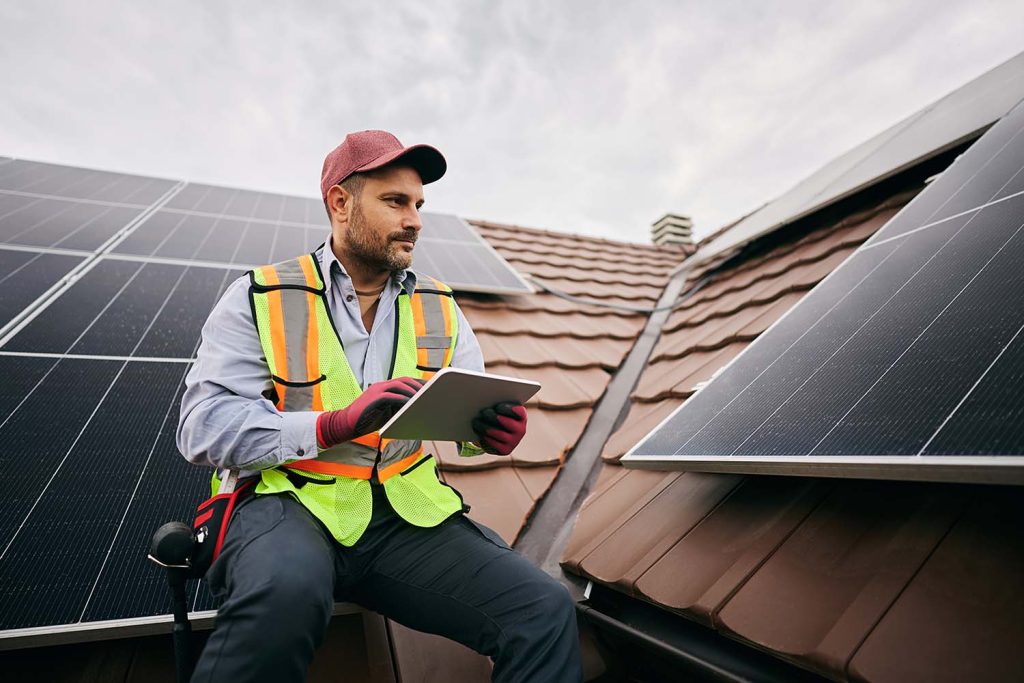
Our engineers begin with a full periodic inspection of your solar panel system, checking it against the areas most likely to develop faults over time. This includes panel mounting and fixings, cabling and electrical connections, inverter operation, isolators and switchgear, and earthing and bonding, all assessed in line with the relevant UK wiring regulations. For commercial sites and solar farms, we also check the installation against the standards your insurer is likely to ask for, giving you documented evidence of the system’s condition.
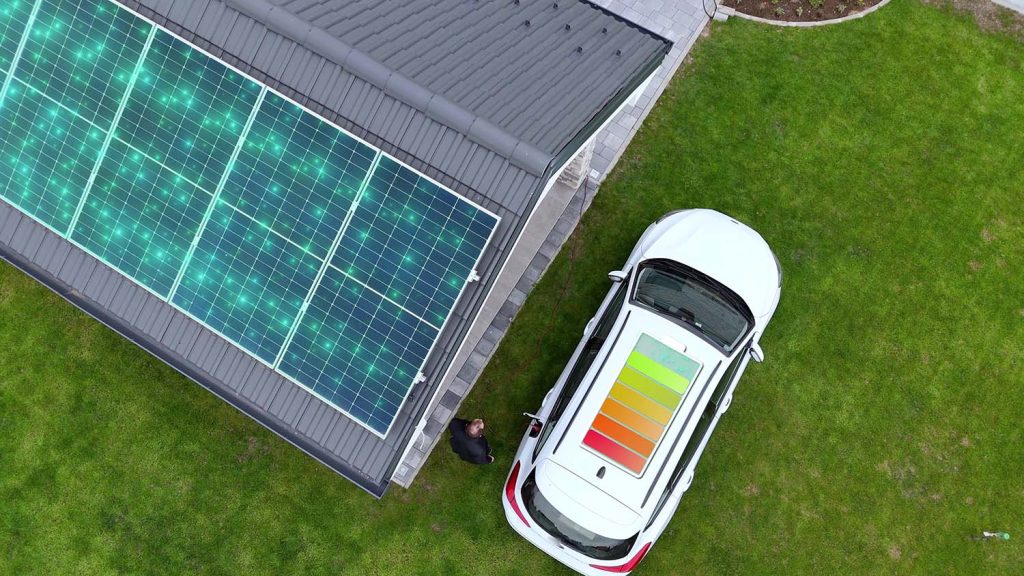
Where a thermographic survey is needed, we use drone-mounted infrared cameras to scan panels from above, identifying hotspots, failed bypass diodes, and underperforming cells that are invisible to the naked eye. This is the same thermal imaging method our engineers use across our wider electrical thermal imaging services, and you can read more about why a thermographic survey is worth considering if you’d like the background on how it works.
Our safety inspections focus specifically on fire risk and electrical safety, covering DC isolators, arcing points, and the connections most commonly linked to solar panel fires, the same areas covered by our wider fire safety services. If your site also needs a wider check of its electrical installation beyond the solar system itself, our Electrical Testing services, including a full Electrical Installation Condition Report, cover that separately.
On completion of any inspection, you receive a full written report, including annotated thermal images where a drone survey has been carried out, with clear findings and any recommended remedial action. Where a fault is identified, our Solar Panel Repair service can carry out the fix
Why Choose TES Compliance for Solar Panel Inspection
NICEIC Approved and PCN Qualified
Our engineers are NICEIC-approved, and our thermographers hold PCN qualifications recognised by BINDT. Every solar panel inspection is carried out by engineers qualified and recognised to do so, producing reports accepted by insurers, landlords and site managers.
Non-Invasive and Non-Disruptive
Our drone thermographic surveys require no isolation of your solar panel system and no interruption to generation, making them particularly suited to solar farms and commercial rooftop installations that need to keep generating throughout.
Full Written Report with Thermal Images
On completion you receive a full inspection report containing annotated thermal images, fault classifications and clear remedial recommendations, structured to meet the requirements of insurers and site managers.
Nationwide Coverage Across the UK
TES Compliance carries out solar panel inspections across the UK, whether you need a single site visit or a rolling inspection programme across multiple solar farm locations.
SOLAR PANEL INSPECTION
What Is a Solar Panel Inspection and What Does It Involve?
A solar panel inspection is a systematic check of your solar PV system’s condition, carried out by a qualified engineer using both a visual assessment and specialist testing equipment. The aim is to catch faults, such as loose connections, damaged panels or failing components, before they affect performance or create a safety risk.
During a periodic inspection, our engineers examine the physical condition of the panels, mounting and cabling, then test the electrical performance of the system, including the inverter and isolators. Where a thermographic element is included, a drone-mounted infrared camera scans the panels from above, picking up heat patterns that a visual check alone would miss. A hotspot on a panel can indicate a failing cell, a poor connection, or debris blocking sunlight, any of which can reduce output or, in more serious cases, create a fire risk.
Loose connections, water ingress and general wear are among the most common causes of solar panel faults, and many of these develop gradually rather than causing an obvious sudden failure. A regular inspection allows issues to be identified and addressed at a time that suits you, rather than after the system has already lost performance.
Many commercial insurers now ask for evidence of a recent inspection before covering larger solar installations, particularly solar farms. Our inspection reports are written to provide that documented evidence, and where a wider check of the site’s electrical installation is needed, our Electrical Testing services, including a full Electrical Installation Condition Report, cover that separately.
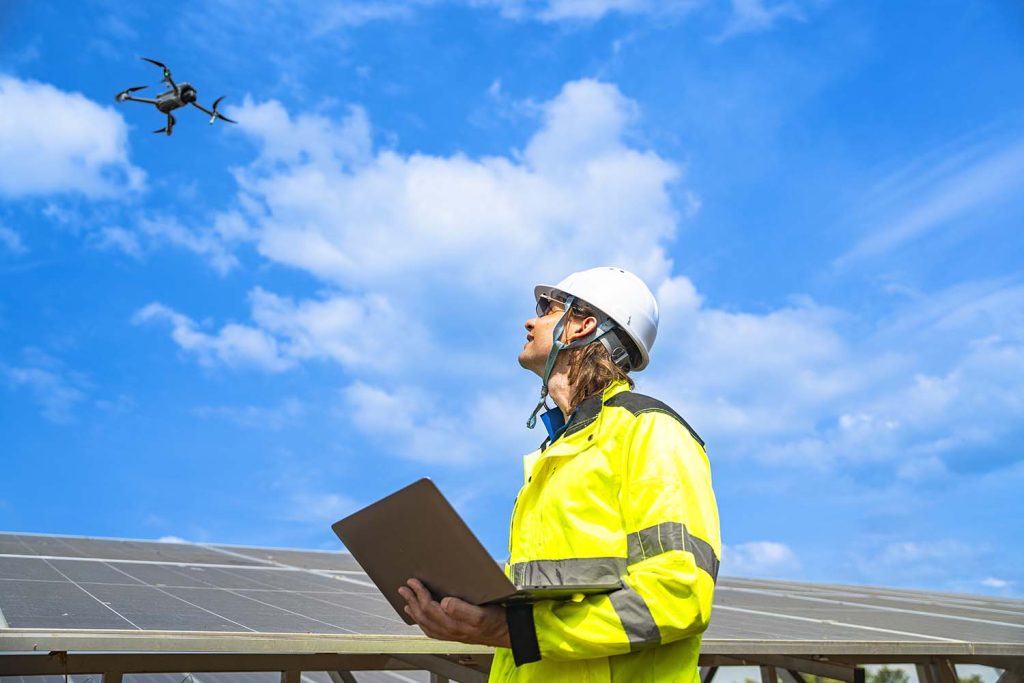
Aerial Drone Thermographic Inspection
A drone thermographic inspection uses a drone-mounted infrared camera to fly over your solar panel array and capture thermal images of every panel from above. The camera picks up temperature differences across the array, and our engineers analyse the resulting images to identify hotspots, failed bypass diodes, cracked cells and connection faults, all of which show up as heat patterns long before they’d be visible to the eye or noticeable in your system’s output.
This method is particularly suited to larger installations. Rather than checking panels individually from ground level or arranging access equipment for a rooftop, a drone survey covers a full commercial roof or solar farm in a fraction of the time, without needing your system to be shut down or your operations interrupted.
Your report includes the full set of annotated thermal images alongside a panel-by-panel breakdown of any faults found, classified by severity, so you know exactly which panels need attention and how urgently.
When Is a Solar Panel Inspection Recommended?
Residential Solar Panel Systems
Homeowners often only think about their solar panels when output drops. A periodic inspection catches loose connections, panel degradation and inverter issues early, keeping your system running as it should.
Commercial and Industrial Rooftops
Larger rooftop installations carry more electrical load and are harder to inspect visually from ground level. Our drone thermographic surveys check every panel without needing access equipment or interrupting your operations.
Solar Farms and Large-Scale Installations
With thousands of panels spread across a site, faults can go unnoticed for months. A drone survey covers the whole array quickly, flagging underperforming panels and hotspots that a manual check would likely miss.
After Severe Weather or Storm Damage
High winds, hail and heavy snow can all affect panel mounting, cabling and connections. An inspection after a severe weather event confirms your system is still safe and performing properly.
Ahead of a Property Sale or Insurance Renewal
Buyers and insurers increasingly want documented evidence that a solar panel system is in good condition. A recent inspection report provides that evidence and can help things move along smoothly.
Planned Maintenance Programmes
Regular inspection should form part of any ongoing maintenance schedule, particularly for commercial and solar farm sites. We can build inspections into a rolling programme so issues are caught before they affect performance.
No obligation · Fast response
Frequently Asked Questions
How often should solar panels be inspected?
We recommend a solar panel inspection at least once a year for most residential and commercial systems, with more frequent inspections, typically every six months, for solar farms and other high-output commercial installations. Regular inspection helps catch faults before they affect performance or become a safety issue.
Do I need a solar panel inspection for insurance purposes?
Many insurers now ask for evidence of a recent inspection before covering solar PV installations, particularly for commercial sites and solar farms. Our inspection reports are written to provide that documented evidence, and can be used to support an insurance application or renewal.
How much does a solar panel inspection cost?
Costs vary depending on the size of your system, the type of installation, and whether a drone thermographic survey is required alongside the periodic inspection. Get in touch and we’ll provide a tailored price for your site.
What is a drone thermographic survey and how does it work?
A drone thermographic survey uses a drone-mounted infrared camera to scan your solar panels from above, picking up heat patterns that indicate hotspots, failed bypass diodes or underperforming cells. It’s non-invasive and doesn’t require your system to be shut down during the survey.
What happens if the inspection finds a problem?
Your inspection report will include clear findings and any recommended remedial action. Where a fault is identified, our Solar Panel Repair service can carry out the necessary repair work.
Can TES Compliance inspect solar farms as well as residential and commercial systems?
Yes, we carry out solar panel inspections across the UK for homeowners, businesses and solar farm operators, whether you need a single site visit or a rolling inspection programme across multiple locations.
Your Property. Your Responsibility. Our Expertise.
Solar panel faults are often invisible until they affect performance or become a safety risk. Give yourself peace of mind with a professional inspection from our NICEIC-approved engineers, wherever you are in the UK.
No obligation · Fast response